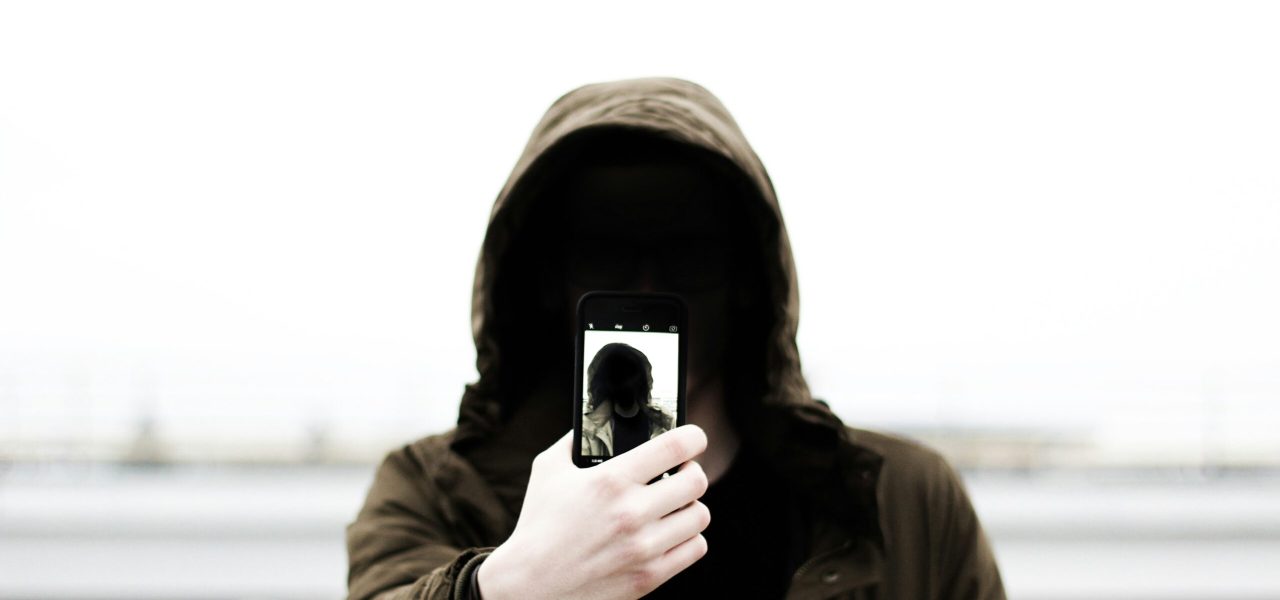

Smartphones are now often the central evidence hub in criminal proceedings. Almost everyone carries one, which makes them one of the most important data carriers for investigators. That is precisely why access to them must never become a legal vacuum; an effective sealing procedure upon seizure is needed as a safeguard for privacy, personality rights, and professional secrecy.
Law enforcement is under pressure to review digital evidence quickly, while affected individuals often can only challenge a search with a significant delay. That tension is exactly what makes sealing so essential.
Why this issue matters now
Recent media reporting points to a marked rise in sealing-related proceedings involving smartphones; in Zurich alone, the number is said to have increased by 75 percent. At the same time, the federal authorities are working on more efficient procedures for securing electronic evidence while expressly emphasizing data protection and procedural rights.
This shows two things: digital evidence has become indispensable for criminal prosecutors, but the rule-of-law safeguards must operate with equal seriousness. If sealing and unsealing are not handled promptly and carefully, irreparable intrusions into highly sensitive personal data can follow.
The role of sealing
Sealing is not a technical footnote; it is a core procedural safeguard for sensitive information upon seizure. Anyone whose devices or documents are seized and who invokes confidentiality interests can request that the contents remain sealed until a court decides whether inspection is allowed.
This is especially important for smartphones, because they often contain an exceptionally broad digital footprint: chats, photos, health data, location history, work documents, and private communications. A search therefore almost inevitably interferes with privacy and must be justified with particular care.
What the court must assess
In unsealing proceedings, the question is not simply whether the public prosecutor would like to review the data. The compulsory measures court must also determine whether there is sufficient suspicion of an offence and whether the search is proportionate.
This review is crucial in digital cases because the interference is so far-reaching. Authorities must not access an entire device on a blanket basis if the relevant information can already be narrowed down more precisely, or if protected secrets outweigh the investigative interest.
Current developments and practical problems
The current debate around digital evidence reveals a structural problem: proceedings often take too long, even though digital data can quickly lose evidentiary value or appear in massive volumes. At the same time, the affected person’s duty to cooperate is sometimes applied too strictly in practice, although the Federal Supreme Court has stressed in relevant cases that substantiated disclosures can be sufficient.
Added to this is the new statutory three-day deadline for filing a sealing request after seizure, which has been described in legal commentary as a significant tightening and a potential trap. Missing that deadline, or failing to justify the request properly, can mean the irreversible loss of protection.
Why this matters for personality rights
The right to sealing protects not only lawyers, journalists, and other holders of professional secrecy, but ultimately every person whose most intimate life domains are stored on a device. A smartphone search often provides a comprehensive view of someone’s digital life, far beyond what is relevant to the criminal proceedings.
For that reason, the rule of law must not weaken the sealing mechanism simply because some courts have not yet fully adapted to the pace of technological change. The correct response is not less legal protection, but more precise procedures, faster judicial review, and stricter reasoning requirements for any intrusion.
Conclusion
In digital criminal proceedings, sealing is not a luxury; it is a rule-of-law necessity. Especially with smartphones and other data carriers, it determines whether privacy remains effectively protected or whether sensitive data are disclosed too early.
Anyone who wants to make searches of digital devices easier must not gradually dismantle the protection of affected persons. A functioning sealing procedure is the condition for keeping criminal prosecution, personality rights, and privacy in fair balance.
FAQs
-
What is sealing in criminal proceedings?
Sealing means that seized documents or data storage media may not be searched for the time being, until a court has ruled on the admissibility of the case.
-
Why is sealing particularly important for smartphones?
This is because smartphones usually contain a great deal of personal and professional data, meaning that a search constitutes a particularly serious intrusion into privacy. At the same time, the smartphone has become a linchpin in police investigations, as many crimes can often only be solved by analysing chats, images and videos stored on the device.
-
When can an sealing be approved?
Where there is reasonable grounds for suspicion and the search is proportionate; furthermore, there must be no overriding obstacles to the seizure.
-
What is the deadline for applying for a seal?
The owner of the smartphone or data storage device must submit the request within three days of the device being seized. This short time limit makes it essential to act swiftly following the seizure.
-
Why is this issue so crucial when it comes to personal rights?
Because digital devices contain intimate, highly personal and often confidential information, the disclosure of which is virtually irreversible without an effective procedure.